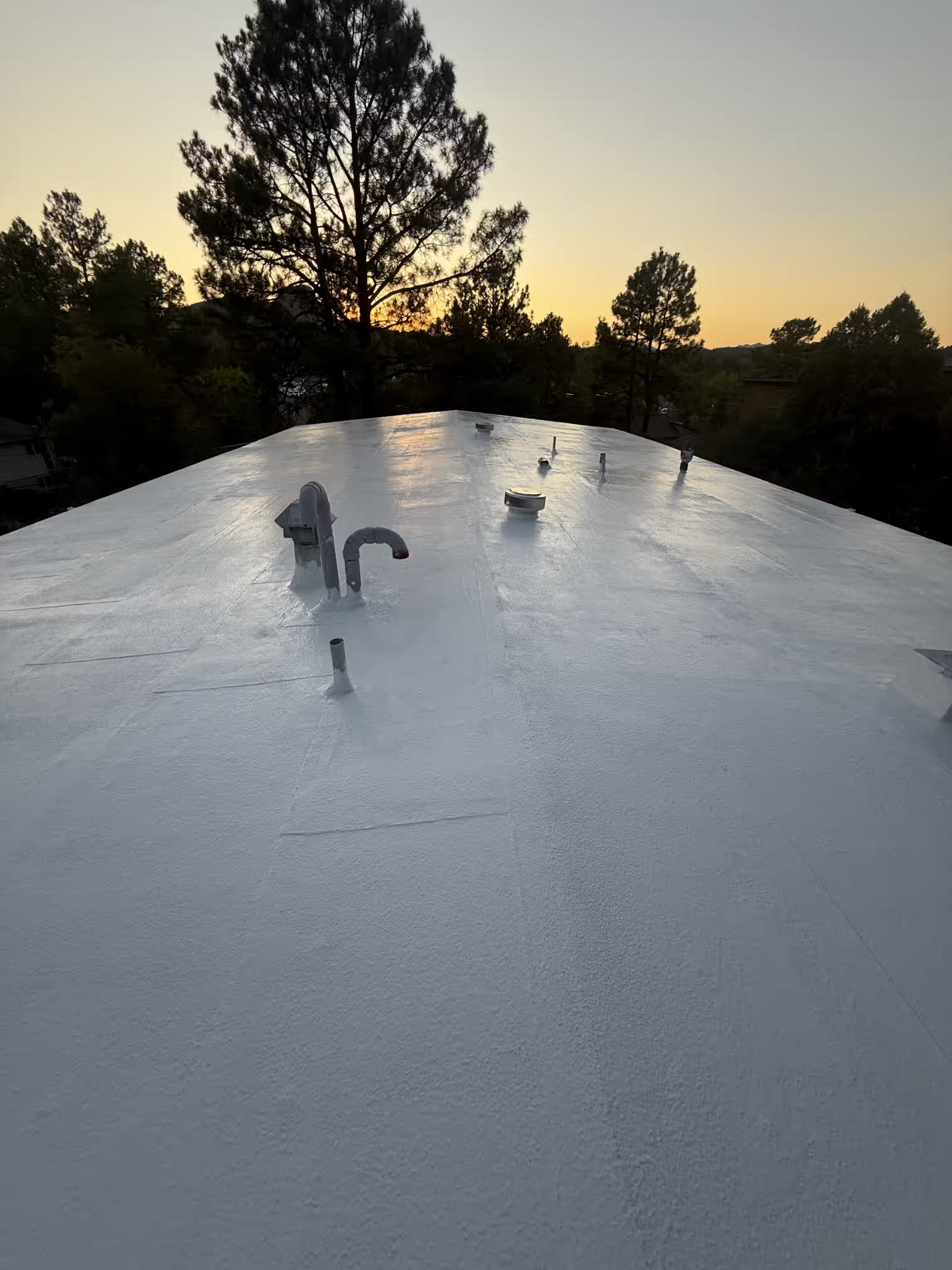
Elastomeric roof coating for flexible protection.
Seal leaks, reflect heat, and keep commercial roofs protected with elastomeric coating systems built for Arizona’s temperature swings.
Elastomeric Roof Coating
A flexible coating that moves with your roof.
Elastomeric coatings deliver durable, flexible protection for commercial roofs. They seal seams, resist UV exposure, and handle thermal movement common across Arizona.
Ideal For
Built for roofs that move with heat.
Advantages
Why elastomeric coatings are trusted.
Flexible protection
Elastomeric coatings expand and contract with temperature shifts to prevent cracks.
Heat-reflective finish
Reflective coatings help reduce rooftop temperatures and support energy savings.
Seam reinforcement
Reinforced seams and penetrations reduce the likelihood of recurring leaks.
Budget-friendly restoration
Extend roof life with a system that costs less than full replacement.
Compatibility
Substrates that pair well with elastomerics.
Compatible substrates
- Metal panel roofs
- Modified bitumen (SBS/APP)
- Built-up roofing (BUR)
- Single-ply (TPO, PVC, EPDM) with proper primers
- Spray polyurethane foam (SPF)
- Concrete roof decks
Not ideal for
- Areas with ongoing, significant ponding beyond design
- Membranes with widespread saturation or trapped moisture
- Severe blistering or delamination that requires tear-off
- Active structural movement or substrate instability
System Options
Tailored assemblies for your roof and budget.
Acrylic elastomeric
Water-based, highly reflective, and cost-effective. Common for metal, BUR, and modified bitumen when ponding is minimal.
Polyurethane topcoat
Solvent-based toughness with improved abrasion resistance. Often used in high-traffic or hail-prone areas.
Reinforced seam system
Fabric or scrim added at seams, penetrations, and transitions to strengthen vulnerable details before top coating.
Technical Specs
Performance details at a glance.
Dry film thickness
Typically 20–40 mils across the field
Solar reflectance
High reflectance for heat mitigation
Elongation
Engineered to flex with thermal movement
Adhesion
Primers selected per substrate chemistry
VOC compliance
Meets regional environmental requirements
Values are typical ranges; exact specifications are confirmed per project conditions and manufacturer requirements.
Our Process
From prep to protection in clear steps.
Step 1
Roof evaluation
We inspect the membrane, scan for moisture, and define repair needs.
Step 2
Surface prep
Cleaning, repairs, and priming ensure proper adhesion and durability.
Step 3
Coating application
Elastomeric coating is applied to spec for thickness, coverage, and cure.
Step 4
Closeout & warranty
We confirm workmanship and provide warranty-ready closeout details.
Maintenance
A simple plan to keep performance high.
Semi-annual inspections
Spring and fall checks for damage, debris, and detail integrity.
Cleaning
Remove dirt and organic growth to preserve reflectivity and performance.
Detail touch-ups
Recoat high-wear areas, seams, and penetrations as needed.
Warranty readiness
We outline recoat timing and maintenance priorities to keep warranty requirements on track.
FAQs
Answers to common elastomeric questions.
How long does an elastomeric coating system last?
Service life varies by thickness, substrate, and maintenance. Typical intervals are 10–15 years, with recoat options to extend life.
Is this the same as silicone?
No. Elastomeric systems are often acrylic-based and ideal where ponding is limited. Silicone excels in persistent ponding. See our silicone coating page for comparisons.
Will operations be disrupted?
We stage work to keep entrances, HVAC, and critical pathways accessible. Most projects run with minimal disruption.
Can you coat over wet insulation?
We scan for moisture and repair saturated areas before coating. Trapped moisture undermines adhesion and performance.
More Services
Compare options and explore other services.
Compare coating systems or explore residential services for inspections, repairs, and replacements.
Ready to protect your building?
We’ll confirm roof suitability, outline the scope, and keep your operations running during the project.