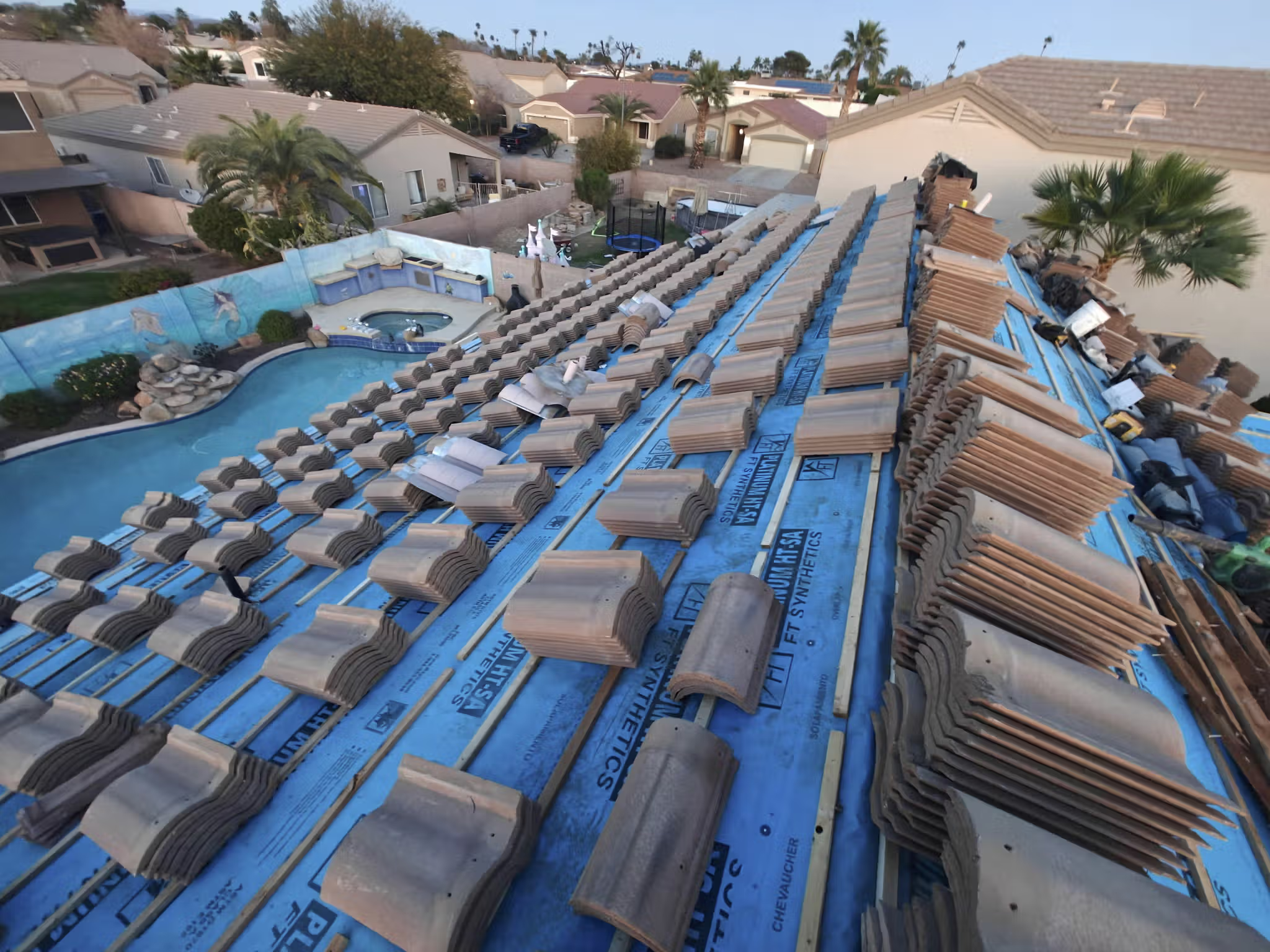
If you are trying to budget for a roof replacement in Arizona, a realistic starting point for many average homeowners is about $15,000 to $20,000.
That is a ballpark, not a promise. We've done roofs for less and have done roofs for much more. The final cost depends on the type of roof, the underlayment, the size of the home, the condition of what is under the shingles or tile, and whether hidden problems show up once the old roofing is removed.
For larger roofs, complex rooflines, or roofs with damage underneath the surface, the price can be higher. The best next step is to understand what affects the estimate before you commit to repair or replacement.
PriorityOne Roofing helps Arizona homeowners compare their options with roof inspections, repairs, and replacements. We are licensed, bonded, and insured, with crews that have 20+ years of experience.
Contact PriorityOne Roofing for a roof inspection or estimate.
Arizona roof replacement cost: the short answer
For an average Arizona homeowner, PriorityOne Roofing commonly sees roof replacement projects fall in the $15,000 to $20,000 range, depending on the roofing system and underlayment.
The two biggest caveats are:
Roof type matters. Tile and shingle roofs are not priced the same.
Hidden conditions matter. A roofer cannot fully know what is underneath the roofing material until parts of the roof are opened up.
That second point is important. Sometimes the visible roof is only part of the story. There may be damaged decking, old materials, or even additional layers underneath. PriorityOne Roofing has seen a roof with seven layers discovered during the job.
That is why any honest estimate should leave room for conditions that cannot be confirmed from the surface.
Why roof replacement costs vary in Arizona
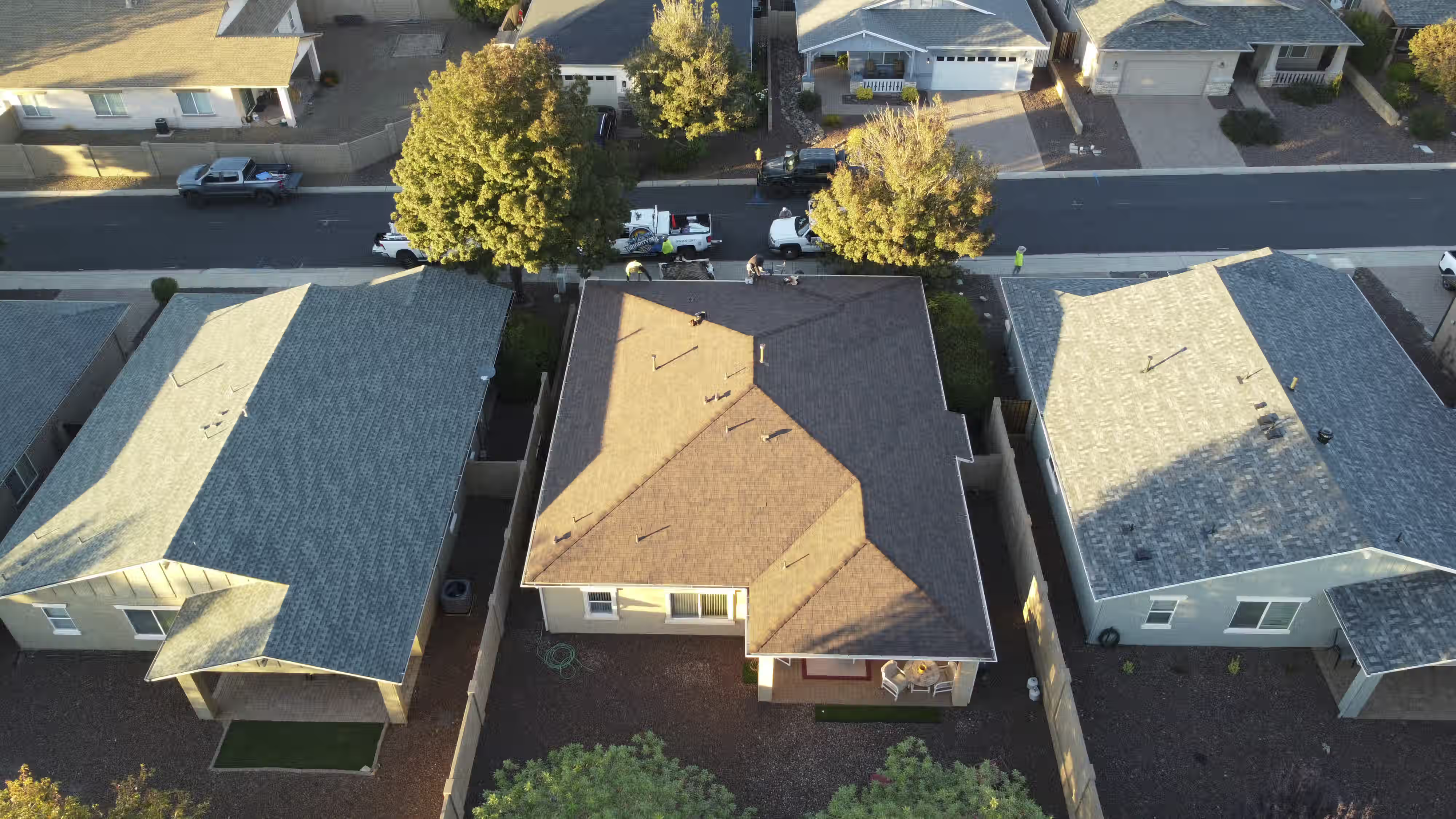
Roof replacement pricing is not just about square footage. Arizona homes, especially in the Phoenix metro and Valley areas, deal with intense sun, heat, monsoon storms, and aging materials. Those conditions affect both the visible roofing and the layers underneath it.
Here are the main factors that can change the cost.
1. Roof size and layout
A larger roof usually costs more because it requires more labor, more material, and more disposal.
But size is not the only layout factor. A simple, walkable roof is different from a roof with multiple slopes, valleys, penetrations, patio tie-ins, or tricky access points. More complexity means more time and more detail work.
2. Roofing material: tile vs. shingles
In Arizona, tile is common in the Valley because of the heat. Tile can perform well in hot climates, but the system underneath still matters. Many tile roof issues are tied to the underlayment rather than the tile itself.
Shingle roofs are also common, especially on certain home styles and price points. Shingle replacement costs can differ from tile work because the materials, labor process, and roof assembly are different.
If you are comparing estimates, make sure you are comparing the same type of work. A cheaper quote may not include the same material quality, underlayment, or scope.
3. Underlayment quality
Underlayment is one of the most important cost factors on Arizona roofs, especially tile roofs.
The tile is what you see from the street, but the underlayment is a critical layer that helps protect the home from water intrusion. In Arizona heat, lower-end materials can age faster and may not offer the same long-term protection.
This is one area where PriorityOne Roofing disagrees with the "just choose the lowest bid" mindset. Some roofers use lower-end material to make the price look better. That can be tempting in the short term, but quality matters when the goal is preventing leaks and slowing aging.
A roof is a large expense. It should be evaluated as a system, not just a surface.
4. What is hidden under the shingles or tile
One of the biggest unknowns in roof replacement is what cannot be seen until the project begins.
A roofer may find:
Extra layers of old roofing
Damaged decking
Rotten wood
Old repairs
Water damage
Improper previous installation
Areas that need additional work before the new roof can be installed correctly
This is why no roofer can responsibly guarantee every cost before seeing what is hidden. If there is a hidden layer or damage under the shingles, the scope can change.
A good estimate should explain what is included, what is not included, and what might happen if hidden issues are uncovered.
5. Roof age
When deciding between roof repair and roof replacement, the age of the roof is one of the clearest signs to look at.
A newer roof with a localized issue may be a better candidate for repair. An older roof with repeated leaks, worn underlayment, brittle materials, or widespread deterioration may be closer to replacement.
Age alone does not answer everything, but it gives important context. A repair that makes sense on a younger roof may only delay the inevitable on an older one.
If you are not sure which direction to go, start with a professional inspection instead of assuming the worst.
Learn more about roof inspections.
Repair or replace? Do not jump to conclusions
One of the biggest mistakes homeowners make is jumping too quickly to a repair or replacement decision.
Sometimes a homeowner assumes a leak means the entire roof must be replaced. Other times, they choose the cheapest repair because it solves the immediate problem on paper, even if it does not address the bigger issue.
Both can be expensive mistakes.
Before you decide, ask:
How old is the roof?
Is the problem isolated or widespread?
Has the roof leaked before?
What condition is the underlayment in?
Are there signs of aging beyond the current issue?
Will a repair meaningfully extend the roof's life?
Is the lowest-cost option likely to hold up in Arizona heat?
The goal is not always to replace the roof. The goal is to understand your options and the likely outcome of each one.
Explore roof repair options or learn about roof replacements.
What a roof inspection usually checks
PriorityOne Roofing recommends getting informed before having work done on your roof, whether you choose us or another contractor.
A typical roof inspection may include a review of visible roofing materials, roof age, obvious damage, signs of leaks, areas around penetrations, roof edges, drainage areas, and other accessible parts of the roof system. On tile roofs, the condition of the tile and signs that the underlayment may be aging are especially important.
An inspection cannot always reveal every hidden condition. Some issues only become visible once roofing materials are removed. But it can help you avoid guessing and give you a clearer path forward.
How long does a reroof take in Arizona?
For many residential reroof projects, the work itself averages about 2 to 3 days from job start.
Scheduling depends on workload. PriorityOne Roofing tries to keep capacity around two weeks booked out, so jobs often start about two weeks after the estimate is signed.
Your actual timeline can vary based on roof size, material availability, weather, job complexity, and any hidden conditions discovered during the project.
Why the cheapest roof replacement estimate can cost more later
Roof replacement is expensive, so it is natural to compare bids closely. But the cheapest option is not always the best value.
A lower estimate may come from:
Lower-end material
Less underlayment protection
A narrower scope of work
Exclusions that are not obvious at first
Less attention to hidden conditions
Short-term repair thinking instead of long-term roof performance
In Arizona, material quality matters because heat accelerates aging. If lower-end materials save money today but lead to leaks or earlier failure, the cheaper bid may not stay cheap.
When reviewing estimates, ask what materials are being used, what is included, what could change the price, and how the roofer handles hidden damage or unexpected layers.
What should Arizona homeowners do next?
If you are researching "how much does it cost to replace a roof in Arizona," you are already doing the right thing: getting informed before spending money.
A roof is too important to treat as a quick guess. Before you approve work, make sure you understand:
Whether repair or replacement makes more sense
How roof age affects the recommendation
What material and underlayment are being proposed
What hidden costs could appear
What timeline to expect
What the estimate includes and excludes
PriorityOne Roofing is licensed, bonded, and insured, with over 20 years of experience helping Arizona property owners with roofing needs.
If you want a clear opinion on your roof, start with an inspection or estimate.
FAQ
How much is a roof replacement in Arizona?
For many average homeowners, a roof replacement in Arizona will usually start around $15,000 to $20,000, depending on the roof type, underlayment, size, and hidden conditions. Larger roofs or roofs with damage underneath the surface can cost more.
Why are tile roofs so common in Arizona?
Tile is common in the Valley because of the heat. Tile can be a good fit for Arizona conditions, but the underlayment beneath the tile is still a major part of the roof system and should not be ignored.
Is it cheaper to repair or replace a roof?
Repair is usually cheaper upfront, but it is not always the better decision. The age of the roof is one of the biggest factors. A newer roof with isolated damage may be repairable, while an older roof with widespread aging may be a better candidate for replacement.
What hidden costs can come up during roof replacement?
Hidden costs can come from anything covered by the existing shingles or tile, including damaged decking, rotten wood, older layers of roofing, or previous repairs. In some cases, additional layers are discovered only after work begins.
How long does a roof replacement take?
Many reroof projects average 2 to 3 days from job start. PriorityOne Roofing tries to keep capacity around two weeks booked out, so work often starts about two weeks after the estimate is signed.
Should I choose the lowest roof replacement estimate?
Not automatically. A lower estimate may use lower-end materials or exclude important work. In Arizona, quality matters because heat can accelerate aging, and better material choices can help reduce the risk of leaks and premature problems.